The King of Late Night: A Retrospective on the Life and Career of Johnny Carson
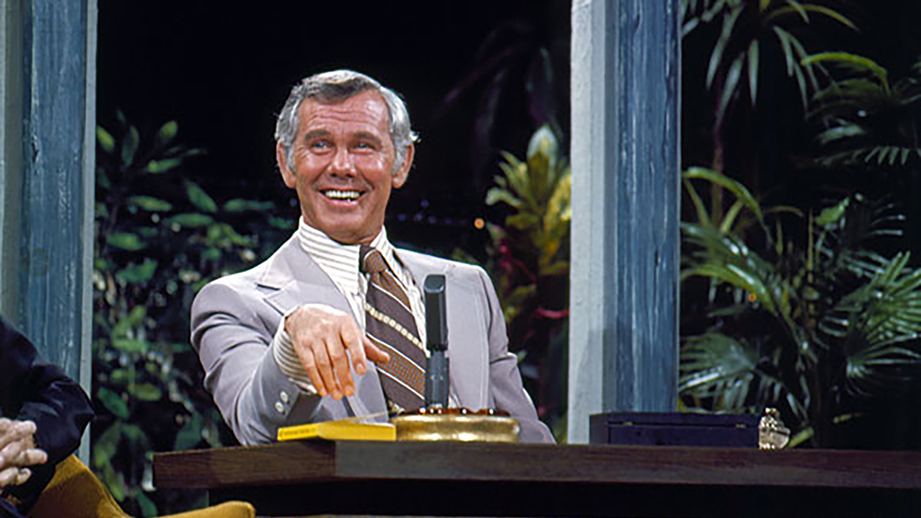
Few names in American television history command as much respect as Johnny Carson. Known as the “King of Late Night,” Carson transformed late-night television into a cultural institution, becoming a household name and a trusted companion to millions of viewers for three decades. His charm, wit, and impeccable comedic timing set a standard that continues to influence late-night hosts to this day.
Early Life and Career Beginnings
Johnny Carson was born on October 23, 1925, in Corning, Iowa. From a young age, he displayed a natural talent for entertaining. As a boy, Carson performed magic tricks for friends and neighbors, foreshadowing his future career in show business. After serving in the U.S. Navy during World War II, he pursued a degree in radio and speech at the University of Nebraska. His broadcasting career began modestly, with small radio gigs and local television shows.
It wasn’t long before Carson’s talent was recognized on a national scale. He became a staff writer and performer for Red Skelton, eventually landing his own variety program, The Johnny Carson Show, in 1955. Though short-lived, it provided him valuable experience that shaped his future trajectory.
The Tonight Show Era
Carson’s career reached its defining moment on October 1, 1962, when he took over as host of The Tonight Show from Jack Paar. What followed was an extraordinary 30-year run that cemented Carson’s legacy. With his relaxed style, sly humor, and unmatched ability to connect with both guests and audiences, he turned The Tonight Show Starring Johnny Carson into a nightly ritual for millions of Americans.
His monologues, brimming with topical humor, became watercooler conversation starters. Memorable recurring characters like Carnac the Magnificent, Aunt Blabby, and Floyd R. Turbo showcased his comedic versatility. Carson was also a master interviewer, giving rising stars like David Letterman, Jay Leno, Jerry Seinfeld, and Ellen DeGeneres some of their first national exposure.
Cultural Impact
Carson wasn’t just a television host; he was a cultural barometer. His show reflected the changing moods of America across three decades, covering everything from politics to pop culture. Unlike many comedians, Carson’s style remained approachable—never mean-spirited, but always sharp. His influence extended beyond entertainment, shaping the very format of late-night TV. Virtually every host who followed, from Letterman and Leno to Conan O’Brien, Jimmy Fallon, and Stephen Colbert, owes a debt to Carson’s template.
Retirement and Legacy
On May 22, 1992, Carson said goodbye in a touching final broadcast watched by more than 50 million viewers. True to his private nature, Carson largely retreated from the spotlight after retirement, enjoying a quiet life until his passing on January 23, 2005.
His legacy remains unparalleled. Carson’s ability to make audiences laugh while maintaining a sense of authenticity made him a trusted figure in American homes. The phrase “Heeeere’s Johnny!”—boomed by announcer Ed McMahon—still evokes instant recognition.
Conclusion
Johnny Carson redefined what late-night television could be, combining comedy, charm, and cultural relevance into a nightly tradition. His reign as the undisputed “King of Late Night” left an indelible mark on television history. More than a host, Carson was a friend to millions—an entertainer whose influence continues to ripple across generations of comedians and late-night personalities.